Storytelling and structure

Why Good Video Editing Is About More Than Cuts

Editing Begins Before the First Cut

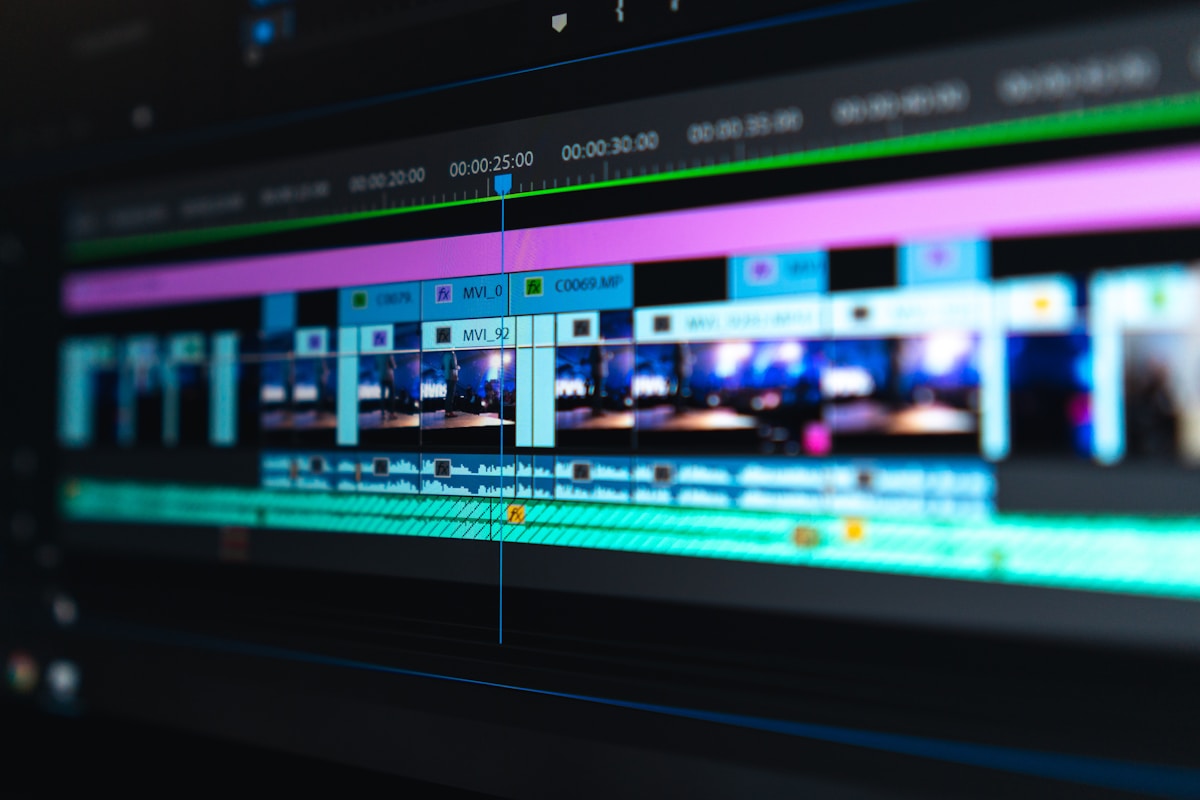
When people think about video editing, they often imagine cutting clips, adding transitions, and placing music on a timeline.

But the most important decisions happen before any effect is applied.

Editing is about deciding what the audience sees, when they see it, and how long a moment stays with them.

A technically perfect cut can still feel wrong if it interrupts an emotion or reveals information too early.

Rhythm Is More Than Speed

Fast editing is not necessarily good editing.

A sequence can contain dozens of cuts and still feel empty. Another sequence can hold a single shot for several seconds and communicate something powerful.

Rhythm comes from the relationship between movement, dialogue, music, silence, and visual information.

Before making a cut, I like to consider three questions:

  • What should the viewer feel at this moment?
  • Does the next shot add information or emotion?
  • Would holding the current shot make the moment stronger?

Sometimes the best decision is to let the image breathe.

Sound Changes How We Experience an Image

Sound design is not simply something added after editing.

A subtle movement, a quiet room tone, or a carefully placed moment of silence can completely change how a scene feels.

Imagine watching someone slowly open a door.

Without sound, it may appear ordinary.

Add distant footsteps, a low ambient tone, and a brief silence before the door opens. Suddenly, the same image feels different.

The footage has not changed. The experience has.

This is why I think about sound and picture together whenever possible.

Every Transition Needs a Reason

Not every cut needs a visual effect.

Sometimes a direct cut creates the strongest connection between two moments.

Other times, a transition can communicate a change in time, location, or perspective.

The question is not whether a transition looks impressive.

The question is whether it helps the audience understand or feel something.

The Invisible Decisions

Many of the most important editing decisions are the ones viewers never consciously notice.

Removing a distracting frame, adjusting the timing of a reaction, or allowing a pause to last slightly longer can change the emotional weight of a sequence.

These small choices accumulate.

They shape the final experience without demanding attention.

Final Thoughts

Good editing is not defined by the number of cuts, effects, or transitions.

It is defined by how effectively those choices serve the story.

My goal is not to make viewers notice every editing decision.

It is to make each decision worth making.